Why are women so privileged to get their periods once a month?
You might be asking yourself… “Why, why, why?”
Why do women go through this strange cycle each month?
There are so many answers to this question. If you’re looking for a philosophical answer, I’d look to a higher power than this website—like your parents or a close family member, maybe. Or books.
But if you’re looking for a simple answer:
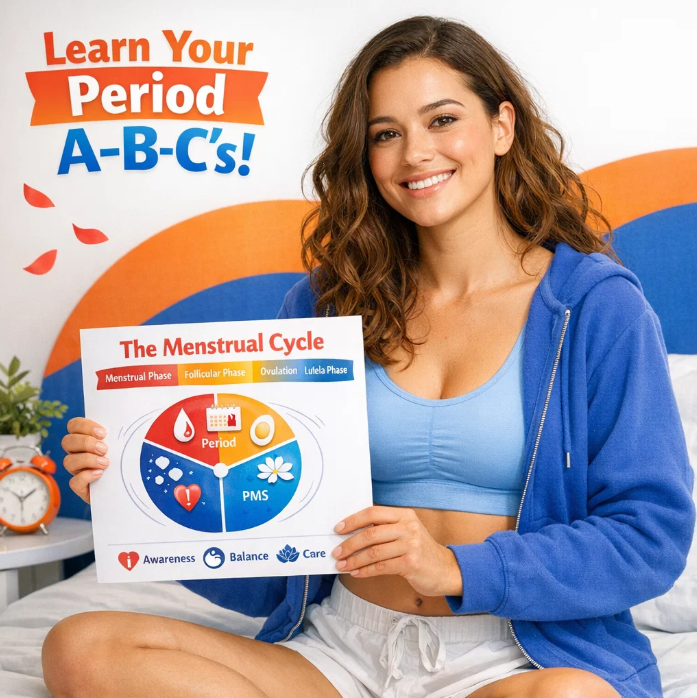
Biologically, a woman’s body is wired to change in cycles. A cycle means “a series of events that take place in the same order repeatedly.” Your body goes (and will continue to go) through a bunch of complex, carefully coordinated changes throughout your life. If you’ve got your period, congratulations! It means you’ve gotten a biological bonus prize: your body is gearing up to have kids—or simply to stay healthy. So go with the flow… if you know what we mean. But you also have to learn the basics, kiddo—and that means learning your period A-B-Cs.
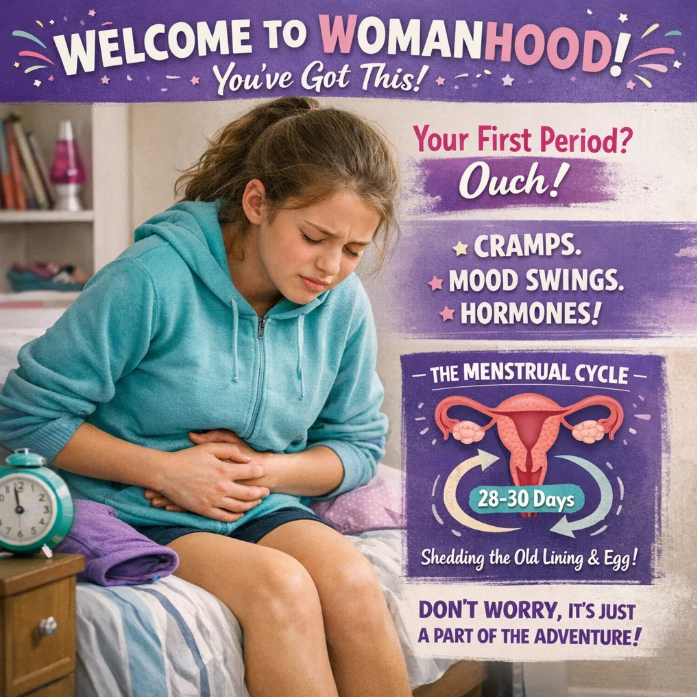
Your first period almost always comes as a shock. It sneaks up on you whenever it pleases (most studies say about two years after the onset of puberty, usually around ages 11–12), it divides and conquers, and it starts to run the show once a month. The aching cramps in your stomach may make you want to curl up in a corner somewhere. All of the estrogen pumping through your body may make you feel like you’re going nuts. But ladies, it is definitely not the end of the world! In fact, get ready for a new kind of adventure in a new kind of world (okay—this is about to get uber cheesy) called WOMANHOOD! Congratulations on joining the ranks!
Your first period is a sign that your body is beginning to run on “womanly autopilot,” meaning you’re going to experience a 28- to 30-day menstrual cycle from now on (though it really depends on your body). Your menstrual cycle is almost like an agenda your endocrine system follows each month. The endocrine system is the all-encompassing name for the organs, ducts, and glands responsible for producing, secreting, and distributing hormones throughout your body.
During your menstrual cycle, these organs and glands work together to prepare for a new ovum (a fertile egg) to get comfy in your uterus. But for that to happen, your body needs to shed the nutrient-rich lining already sitting in your uterus—the lining that supported the egg from your last cycle. To do this, your endocrine system releases hormones that instruct your organs on what to do. What you feel is the muscles in your uterus flexing and contracting to shed the old egg and the old lining… which means… PAIN in the form of cramps!
When it comes to buying things, you’ve gotta know what your period product options are. So first, we’ll start with a few critical definitions for our discussion:
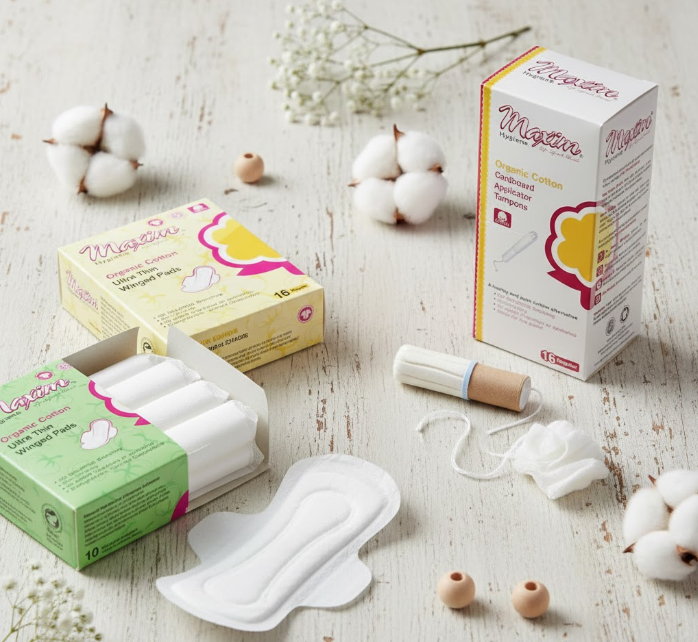
Sanitary pads are strips made from layered materials such as cotton, wood-fluff pulp (don’t worry—there isn’t a tree growing in your underpants; it’s more like the stuff paper is made from), rayon, or plastic, designed to absorb and retain menstrual flow. Good pads (like Maxim™ pads) fit the curvy contours of the crotch area of your underwear—whether it’s your typical “grandma panties” you save for this special monthly party in your pants, a thong for the go-getter who still wants a night out in tight garb, or even the occasional bathing suit (though under no circumstances should you ever swim with a pad on!). Pads are held in place with an adhesive strip on the bottom.
The side of the pad that touches your body—the fabric-like topsheet—is often made with a blend of synthetics and wood pulp, which isn’t ideal for the environment and is one reason many women feel irritated by conventional products. Maxim™ products are made with cotton through and through, except for the back layer, which does not come in contact with the body, so you can rest assured you won’t get a funky rash or that hot and humid feeling down there
Tampons are a mass of materials—such as cotton or a cotton/rayon blend—shaped to fit inside the main portion of your vaginal canal. They are made up of a few basic components. Some tampons come with applicators, which can be made of plastic or cardboard. Others, called digital or non-applicator tampons, are inserted using the user’s finger.
I’m sorry to say it, ladies, but when it comes to period resistance, there isn’t really a healthy way to stop bleeding. Menstruation is the way your uterus sheds its lining each month, so what we need to do is be prepared.
Now’s the time to discuss the age-old battle most women fight (hopefully not out loud) while rocking back and forth, heel to foot, wondering: “Tampons, pads, or pantiliners?” It doesn’t help that there are so many packages with so many styles.
The most important advice we can offer is this: experiment. Buy different products and see what works best for you. Pay attention to what feels comfortable and what keeps you feeling confident during your time of the month.
Here is a list of different item types and the terms used to describe them, to help you decide what you may need for your flow. Tampons are available in the following range of absorbencies:
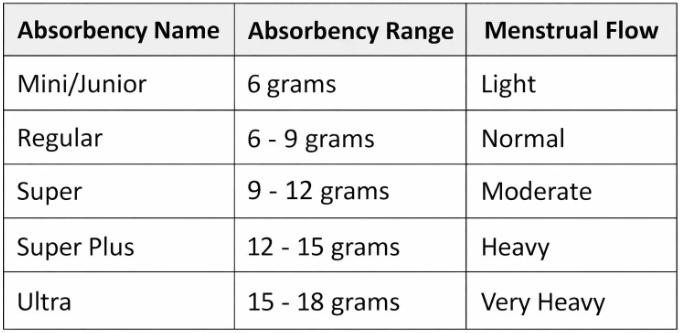
Sanitary pads are available in the following range of absorbencies:
Regular, Super, Thick, Thin, Ultra Thin, Overnight, Daytime, Nighttime, Light Days
Sanitary pads are available in the following range of styles:
With Wings, Contour, Curved, Straight, Tapered, Pantiliners, Wrapped Sanitary pads are available in the following lengths:
Regular, Long, Extra Long, Slender, Tanga
Okay, so now that you’ve learned your product lingo, let’s get back to the battle: tampons vs. pads vs. pantiliners! So what now? Next, we need to talk about the pros and cons of each product.
Just keep this in mind: every product has its drawbacks, but you have to figure out which one causes the least drama for your unique lifestyle.
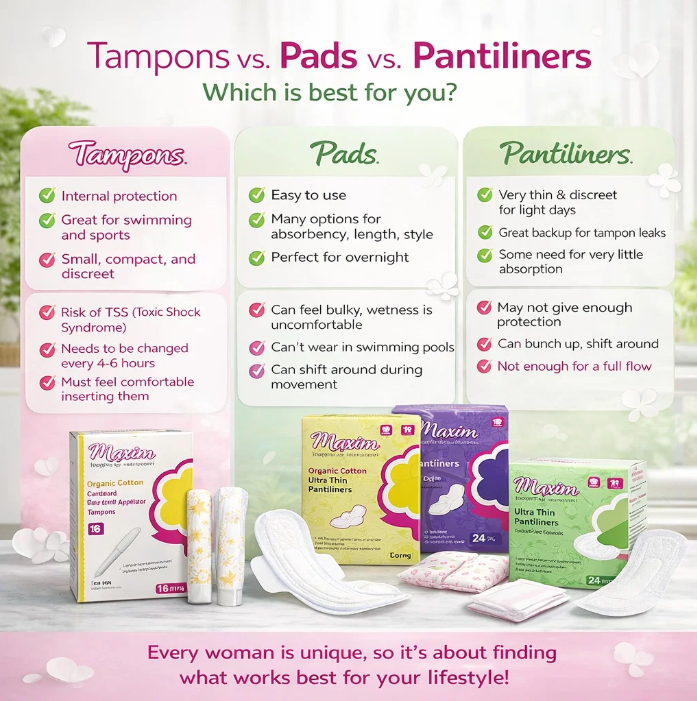
Tampons
Pros:
- More discreet: It’s easy to slip a tampon into a bag or pocket without anyone finding out your “womanly secret.”
- You can swim: You can go swimming while wearing a tampon; wearing a pad in the pool is not recommended.
- Less likely to leak (when used correctly): Tampons are designed to absorb menstrual flow inside their core. If you change your tampon regularly and check it as needed (for example, if the string starts to look red, that can be a sign it’s time to change it), you’re less likely to leak than with a pad that can shift or overflow if you stay in one position too long.
- Easier to move around: If you’re active (sports, yoga, Pilates, intense dancing, or dirt biking), tampons can be a better fit because they’re internal and held in place by your vaginal muscles.
Cons:
- Risk of TSS: There is a Toxic Shock Syndrome (TSS) risk associated with tampon use, especially if worn too long or if the absorbency is higher than needed.
- More hands-on: Tampons can feel like a more intense, upfront situation. It’s hard to avoid contact with your vaginal area, so if you’re squeamish or not super comfortable yet, applicators and strings might not be your favorite at first. That said, understanding your body is a good thing. Your body is pretty amazing—and the only person who gets to truly understand it is you.
- No strings attached (pun intended): With pads, you stick them on and pull them off—no need to put your fingers anywhere you don’t usually reach.
- Great coverage, especially at night: You can place pads to cover more of your underwear, which is helpful when you’re catching some Zzz’s and can’t monitor leaks. Pantiliners, overnight pads, and extra-long pads can protect those areas that are hard to keep stain-free.
- Often preferred for sleeping: Many people find pads easier and more comfortable for overnight use because you don’t have to worry about an internal product while you sleep. (As always, follow product guidance and change as needed.)
- Some conventional pads may irritate: Pads made with synthetics, fragrances, or harsh chemicals can cause irritation or allergic reactions for some women, and they can also create extra environmental waste.
- Can chafe if placed poorly: Pads can feel uncomfortable or cause chafing if they aren’t positioned correctly or if they shift while you move.
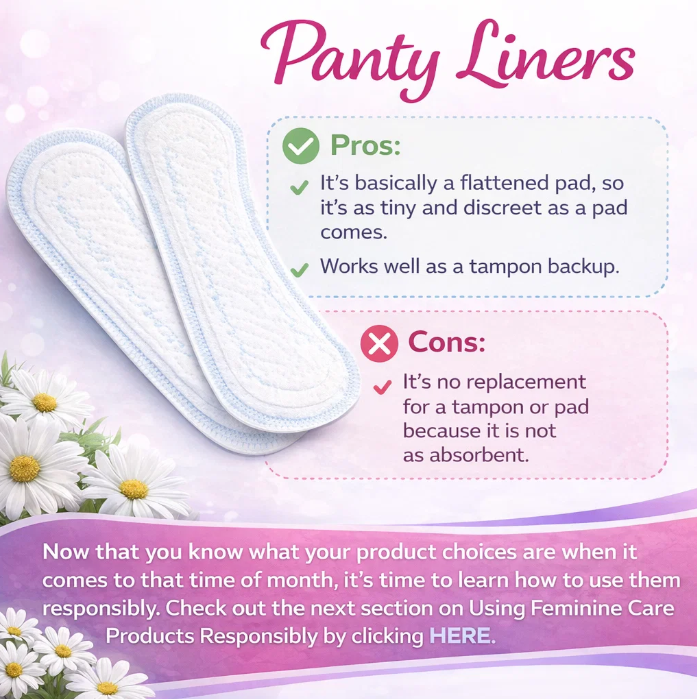
- Small and discreet: It’s basically a flattened pad, so it’s about as tiny and discreet as a pad can get.
- Great as a tampon backup: Panty liners work well as extra protection when you’re wearing a tampon.
- Not absorbent enough on its own: It’s not a replacement for a tampon or pad because it isn’t designed to handle heavier flow.
- Wash your hands. Especially before and after changing a tampon or pad.
- Change products regularly. Don’t leave a tampon in for too long—bacteria can multiply when a tampon is worn longer than recommended.
- Use the lowest absorbency you need. Choose the lowest absorbency that comfortably manages your flow.
- Do not use more than one tampon at a time.
- Remove tampons as soon as your period ends. Once you’re done “surfing the crimson wave,” switch to a pantyliner or nothing at all—whatever feels right.
- Mix it up if it works for you. You don’t have to use only pads or only tampons. Find a balance that fits your body and your lifestyle
- Who or what got me so worked up?
- Why did I react the way I did?
- If there really is a problem, how can I make this better?
- Magnesium: Often associated with supporting mood and reducing fluid retention. Some studies suggest magnesium supplementation may help with PMS-related mood symptoms.
- Vitamin B6: May help support mood for some people. The body uses B6 to help produce serotonin from the amino acid tryptophan, and stress can deplete B6 levels.
- Calcium: Some research suggests people with more severe PMS symptoms may have lower calcium levels. Calcium supplementation has been associated with improvements in bloating, mood swings, and cravings in some studies. While milk is a well-known source, leafy greens, sardines, and seeds can also provide calcium—so if you’re not a “cookies and milk” kind of girl, break out that sautéed spinach recipe.
- Chasteberry: A fruit from a shrub-like tree that has been used for thousands of years. It’s often discussed in relation to hormone balance.
- Evening Primrose Oil: Some research suggests fatty acid deficiency may play a role in PMS for some people. Evening primrose oil is rich in essential fatty acids and is commonly used to support mood, cramps, and inflammation.
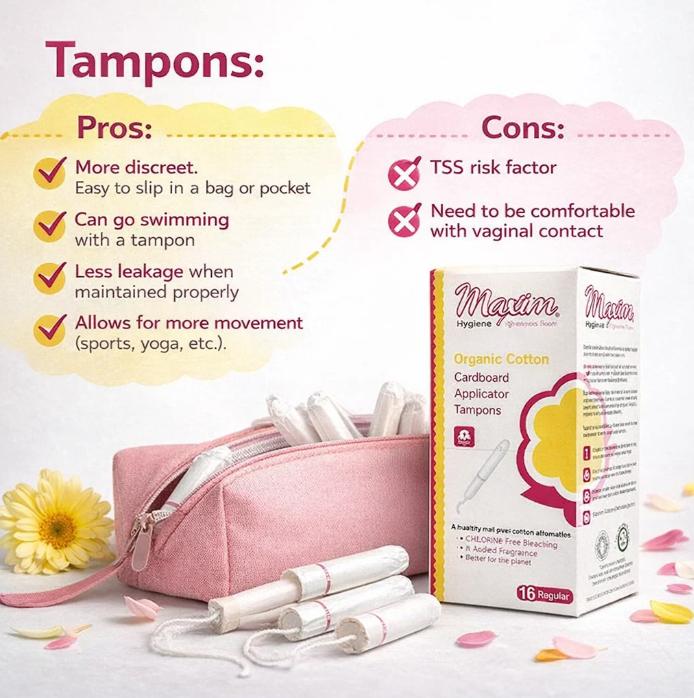
Sanitary Pads
Pros:
Cons:
Panty Liners
Pros:
Cons:
Now that you know your product choices for that time of the month, it’s time to learn how to use them responsibly. Check out the next section, Using Feminine Care Products Responsibly, by clicking here.
Here’s some information about feminine care products that could completely change the way you feel about your period.
Understanding the different products available can help protect you from your biggest period fears and make you feel more comfortable during that time of the month. They might seem a little scary or daunting at first, but keep reading through this section—you may find yourself feeling a lot more confident and at ease.
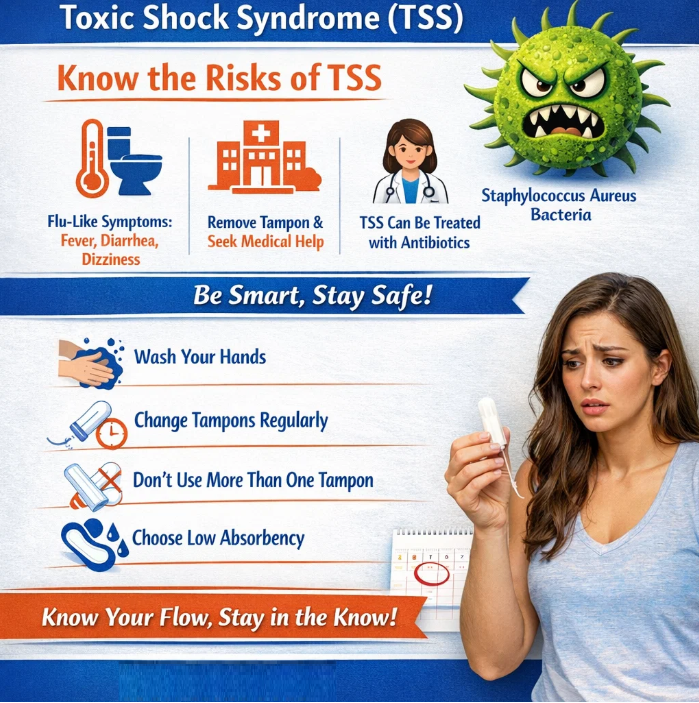
Toxic Shock Syndrome—also known by its acronym TSS (girls, remember: T-S-S… because who actually says the full name of an illness?)—is a rare but potentially serious condition. Simply put, the bacterium Staphylococcus aureus can live on parts of the body such as the skin, nose, groin, armpits, and sometimes the vaginal area without causing problems.
Statistically, the chances are low that you’ll ever experience TSS, but it’s important to know what can happen if feminine care products aren’t used responsibly. The risk increases when bacteria multiply rapidly.
If you experience flu-like symptoms such as diarrhea, high fever, vomiting, or dizziness (often related to low blood pressure) while using tampons, remove the tampon right away and contact your doctor or go to a hospital immediately. Be sure to tell your healthcare provider that you’ve been using tampons so they can make an accurate diagnosis. When symptoms are recognized early, TSS can often be treated successfully with antibiotics and supportive care.
Now, don’t panic. Just take good care of your body and follow these suggestions to help reduce your risk of TSS:
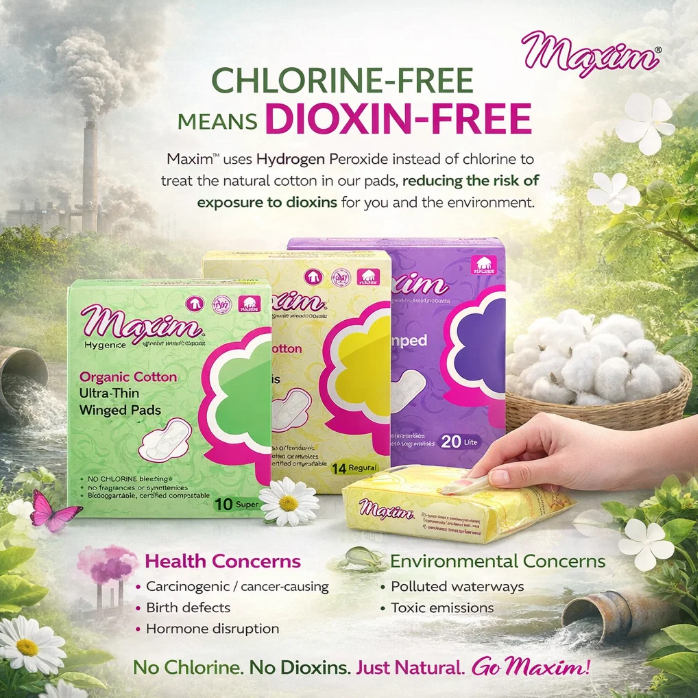
Dioxin is a carcinogenic (cancer-causing) byproduct of certain chlorine-bleaching processes. It has also been linked to a range of health concerns, including birth defects, difficulty maintaining pregnancy, decreased fertility, reduced sperm counts, endometriosis, diabetes, learning disabilities, immune system suppression, lung problems, skin disorders, lowered testosterone levels, and more.
Many tampon and pad manufacturers use chlorine to bleach raw materials to make them appear as white, clean, and bacteria-free as possible. More recently (within the past twenty years), concerns have been raised that pads and tampons made with chlorine-treated materials may contain trace dioxin residues. This matters because pads and tampons are held so closely to the most intimate parts of our bodies during a period. The vaginal lining is one of the most sensitive and absorbent areas of the body, yet each month women may be exposed to a variety of potential hazards through the products they use.
Dioxins aren’t only a concern for health—they can also take a toll on the environment. Industrial processes involving chlorine can release dioxins into the air. Most exposure does not occur through breathing; instead, the majority tends to come through the food chain, especially via animal fats. Over time, dioxins can move through water systems and into plants and animals—and then into the animals we eat.
Maxim™ is aware of these health and environmental concerns associated with standard chlorine-bleaching processes. That’s why, when we designed our products, we chose a safer method to treat the cotton—one that does not involve chlorine and does not leave behind toxic dioxins. Maxim™ uses hydrogen peroxide instead of chlorine, helping reduce the risk of harmful residues in our products and in the environment. Go Maxim!
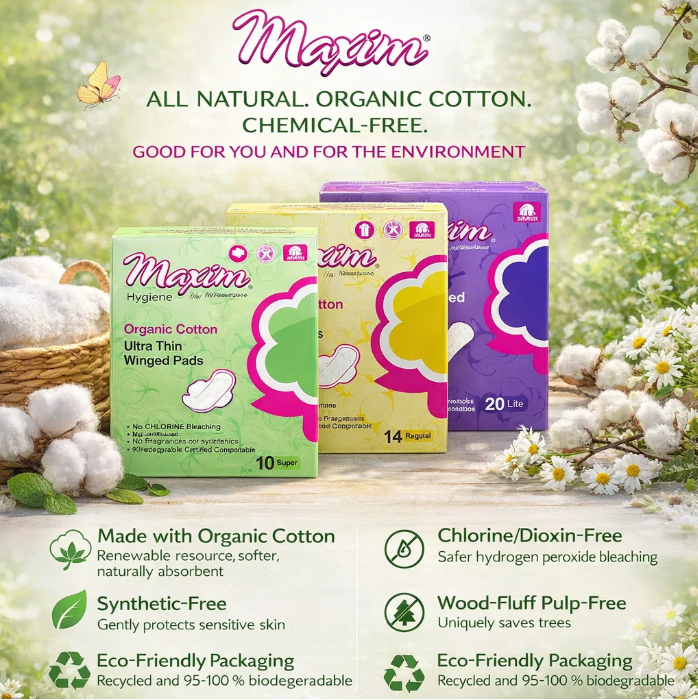
Here at Maxim™, we don’t hide our organic and natural pride. We believe in making responsible decisions in all aspects of life—especially when it comes to feminine care products. We’re all about action, which is why we’ve made it our mission to give consumers like you a different choice: a more natural choice. Here are the natural Maxim™ facts and features:
Made with organic and natural cotton. Maxim™ products are made with cotton because cotton is a renewable resource—meaning it can be grown year after year. Compare that to conventional products, which are often made from nonrenewable resources like petroleum-based synthetics or less renewable resources like tree-based wood-fluff pulp. Learn more by clicking here.
Synthetic-free. Cotton is naturally breathable and gentle, which can help reduce irritation and itchiness—especially for people with sensitive skin. Learn more by clicking here.
Chlorine/dioxin-free. Maxim™ products are bleached using a safer process with hydrogen peroxide. Compare that to products bleached with chlorine, which can leave behind dioxins—known carcinogens (cancer-causing substances). Learn more by clicking here.
Wood-fluff pulp-free. Maxim™ is the only brand to eliminate the use of tree-farmed wood-fluff pulp in the production of our sanitary pads. That means we’re uniquely saving trees! Learn more by clicking here.
Eco-friendly and user-friendly, too! Maxim™ uses recycled and recyclable paper and cardboard for packaging to support biodegradability—unlike plastics used by many other brands, which can take years to break down. Our products are also 95–100% biodegradable. Learn more by clicking here.
Most companies sidestep these facts and bury details in fine print. Maxim Hygiene Products believes in sharing the facts clearly and openly with consumers.
In the end, we’re all in this together. We need to coexist in a way that’s healthy for our minds, bodies, and souls—and now more than ever, for our planet. There are opportunities to make all kinds of positive change on this Earth, and choosing an eco-friendly product is one simple decision that’s up to you. Will you let your choices speak for you?
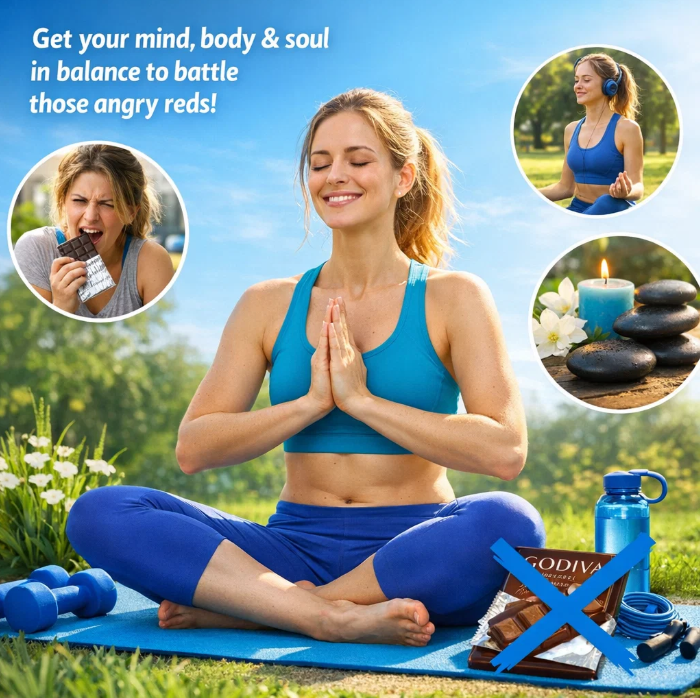
Get yourself going with exercises for your mind, body, and soul to help battle those angry reds.
Has your period made you feel zany? Do you think the only way out of this angsty state of crisis is ten bars of Godiva chocolate—stat? If any of these situations apply to you, don’t worry—we’ve got you covered. Here’s a new kind of remedy that doesn’t involve swallowing milligrams of anything. Yep, we’re talking about natural therapy.
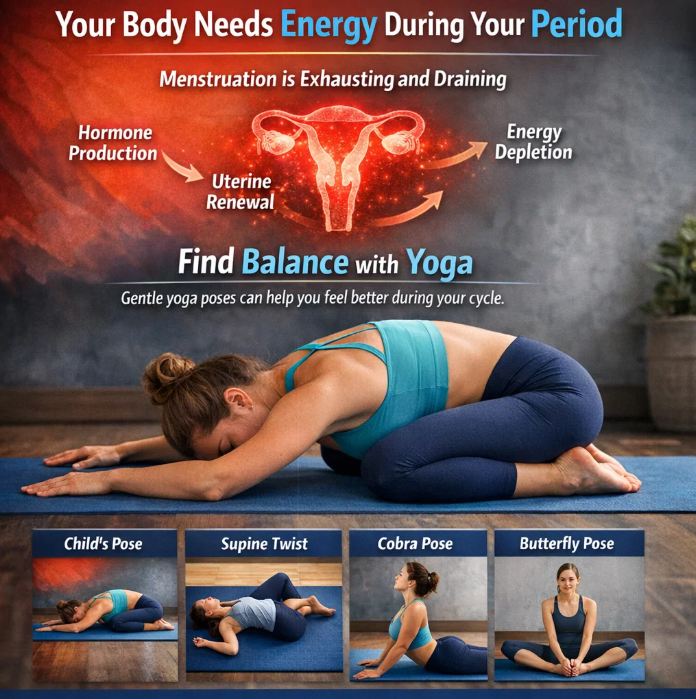
Think about how much energy your body has to use during your period just to renew itself. Your body is busy producing and distributing hormones, contracting and relaxing muscles, and conserving energy to support the whole process. That’s why you might feel extra drowsy and tired.
Your body is always trying to stay balanced, but menstruation can be an intense, energy-demanding time. Yoga can help you feel more grounded, ease discomfort, and support your body’s natural rhythm. That said, not all yoga poses are recommended during your menstrual cycle—some are best avoided. Here are a few poses you might want to know about.
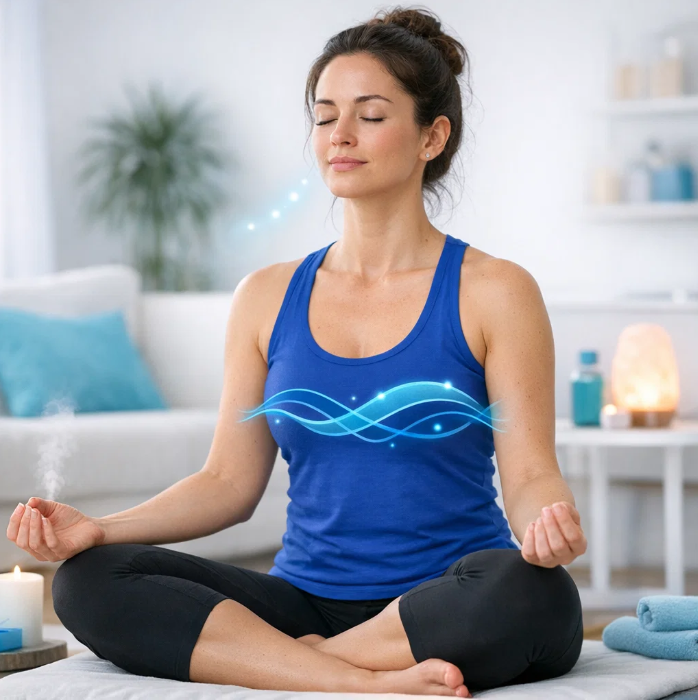
Another way to deal with the pain and stress your body experiences during your period is through counter-stimulation—meaning shifting your focus from the discomfort to a different stimulus. In this case, we suggest using breathing techniques.
It’s really simple: instead of immediately reaching into the medicine cabinet for a painkiller, remember that what you’re experiencing isn’t the result of an accident or an injury. Your period is your body’s natural process, and the discomfort you may feel can be a normal part of it. If you take a moment to pause, be patient, and acknowledge what’s happening, you can try an alternative method to manage the pain—and that’s where meditation comes in.
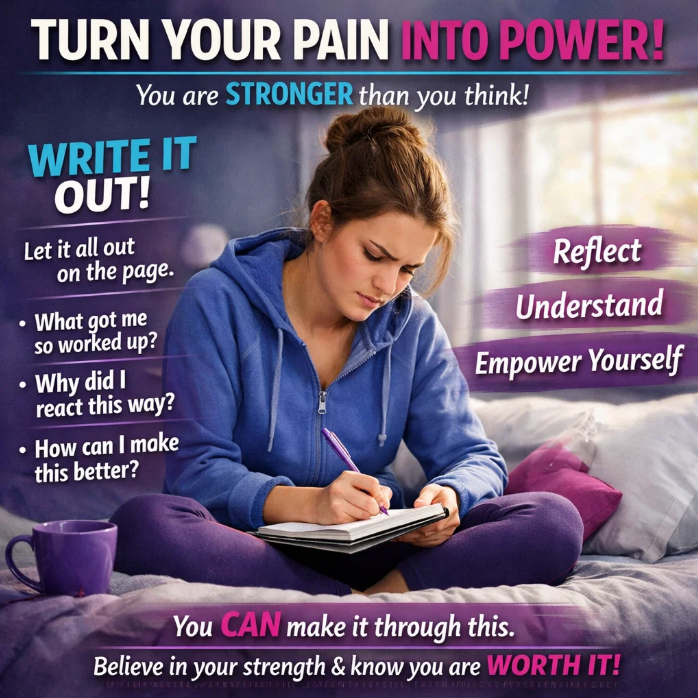
It’s easy to think you look ugly with all that bloating or blotchy, pale skin. And it’s even easier to feel like you should just take it easy for however many days it takes your period to run its course. But you know what’s even better than giving up? Knowing, understanding, and believing in your strength as a woman.
We all go through this. And there’s no real reason to do nothing for half a week. Mind over matter! Seize the day! This is your life, for crying out loud. Use your hormones and that pain. Use that extra sensitivity every woman is blessed with. Write it out. Turn all that pent-up intellect and emotion into words.
If you’re just fuming and you don’t have the patience to reason it out, put your pen down on the page. Seriously—date it, then let yourself go. Say anything at all, even if you know it makes zero sense. And when you feel ready, read what you wrote and answer these questions:
Asking yourself these questions gives you a chance to understand what may be bothering you. Or maybe what feels like a big deal really isn’t—and it’s just hormones giving you a hard time. Either way, taking the time to write about it can help you feel relieved.
If that doesn’t work, check out the Angry Reds section for other natural remedies. But most of all, have faith in the world around you. Things can get better if you want them to—and if you have confidence in yourself. Really believe that you have the ability to make your life worthwhile.
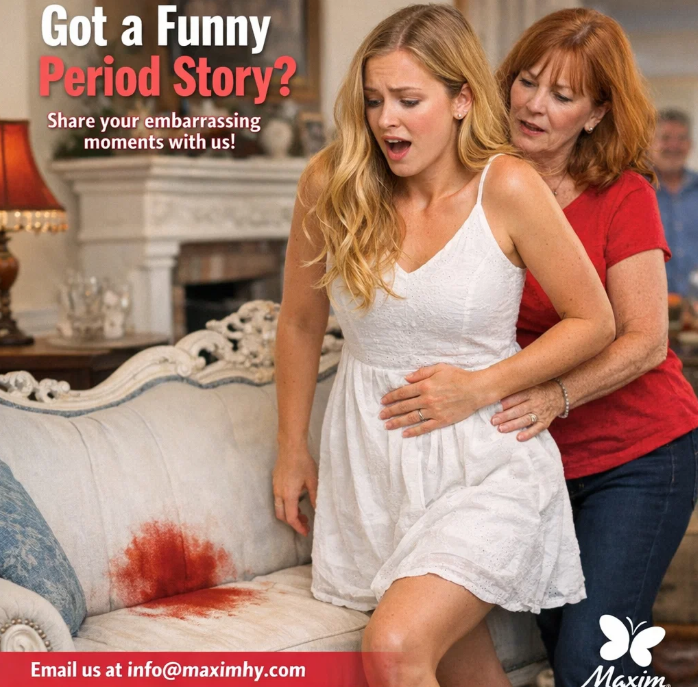
So we’ve talked a lot about the importance of expressing your “angry reds” through writing, but the reds aren’t always so angry… they can be funny and embarrassing, too!
We want to see your writing in the form of funny stories about your first period—or any other period-related moment. What better way to cheer up your “angry reds” than to laugh about it? It might not have been funny at the time, but let’s find a way to laugh about it now—or give others comfort in knowing they’re not the only ones with embarrassing period moments.
Just email us your story at info@maximhy.com, and we’ll write back if we’re interested in posting it right here on our website. Of course, we can keep it anonymous if you’d like.
Here’s an example of a true story from an anonymous Maxim Hygiene employee:
I was at our family’s yearly reunion bash at my aunt’s beautifully renovated Victorian house. I dressed up in my newest white summer dress to impress my family, whom I hadn’t seen in a long time. I had also slipped in a new “mini” tampon that I’d never tried before (this was before I knew about Maxim™ tampons), thinking it would be more comfortable and discreet. But that was definitely not the case when I stood up from my aunt’s brand-new white antique Victorian couch… which was now stained with my angry reds.
My mom was the first to notice and came to the rescue by ushering me out—standing behind me to cover the stain.
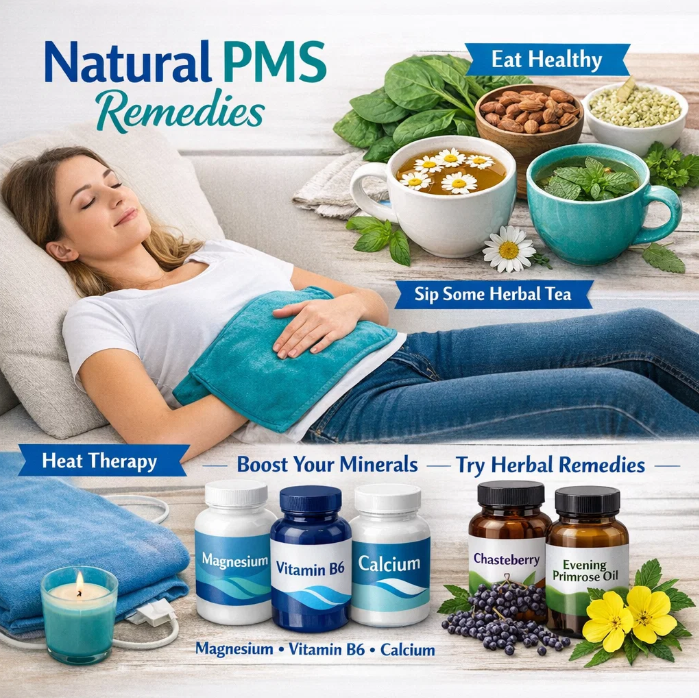
No, we’re not going to suggest you cook up some strange, icky-tasting ingredients. But if the suggestions in the other links in this section weren’t enough, we also recommend trying a few more natural PMS remedies before you open that medicine cabinet. Yes, it’s easy to pop a pill for instant relief—but before pills, there were plenty of cool ladies with cool remedies that helped soothe cramps and other PMS pains. Here are a few ideas:
Heat It Up
Expose your abdomen to warmth. Whether it’s a warm shower, extra blankets, or a heating pad, cramps can feel a lot better after a little heat. Warmth may help increase blood flow, bringing oxygen and nutrients to the area. It can also relax tense muscles and reduce pain signals by soothing the skin and underlying tissues. When we’re in pain, we tend to tighten up—heat helps those muscles chill out.Watch Your Food Intake
Sugar and salt can be big no-nos, especially if you’re trying to reduce bloating or swelling in your hands and feet. And that morning coffee? Caffeine can sometimes worsen anxiety or mood changes during that time of the month. Tea—especially chamomile or peppermint—can be a gentler alternative.Minerals, Minerals, and More Minerals
Okay, we said no pill-popping—but we meant no random, non-natural pill-popping. Some supplements may help reduce PMS discomfort. Here are three commonly recommended options:Herbal Remedies
There’s mixed evidence on herbal remedies for PMS, but some people find them worth trying. Here are a couple of age-old options:
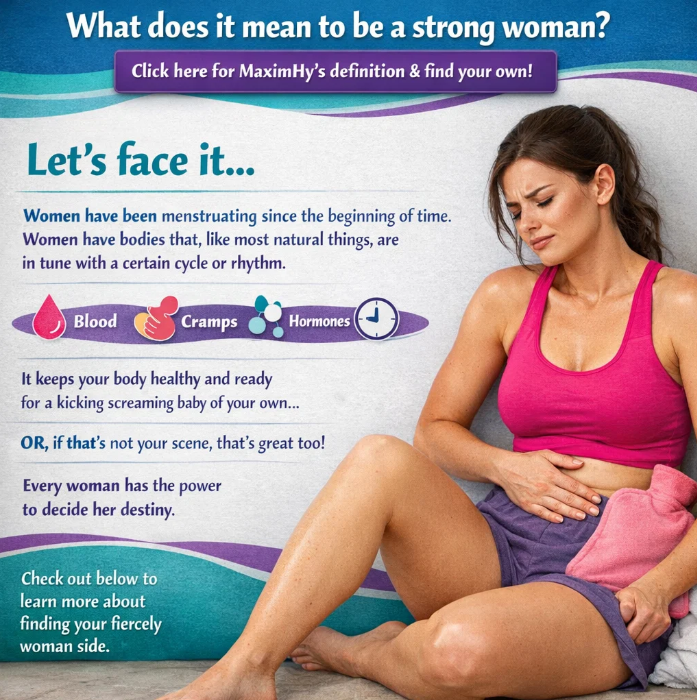
What does it mean to be a strong woman? Click here for MaximHy’s definition of a strong woman—and to come up with one of your own.
Let’s face it: women have been menstruating since the beginning of time. Our bodies, like most natural things, move in cycles and rhythms. If you’re human and have female reproductive organs, you will most likely experience a menstrual cycle—blood, cramps, mood shifts, and the whole shebang. It’s all part of how the body stays healthy and, for some people, prepares for the possibility of pregnancy someday.
And if the whole mommy-to-be thing isn’t your scene, that’s great too. Every woman has the power to choose her own path. Read on to learn more about finding your fierce side.
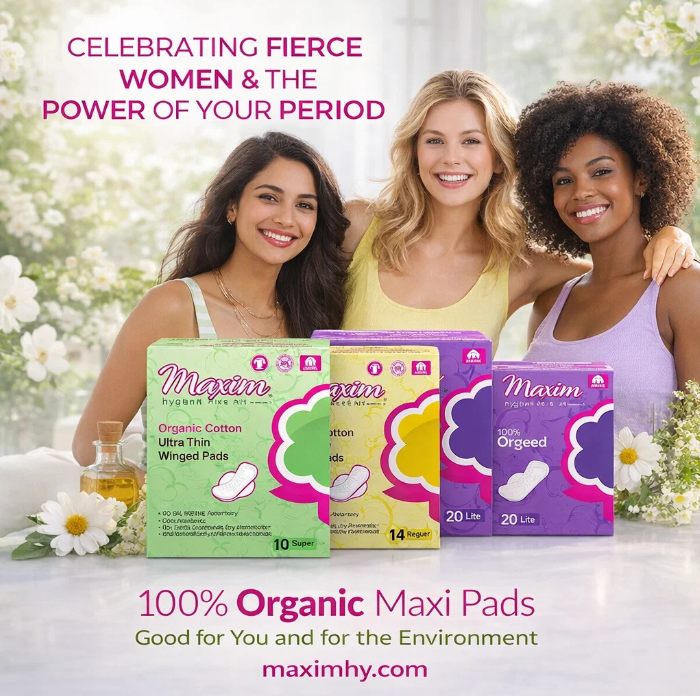
The way we think of it here at Maxim Hygiene is that women all over the world respond to their natural menstrual rhythm in many different ways. Whether you consider your period unclean or the closest your body comes to pristine, we’re not here to judge. Above all, what the MaximHy team is most passionate about (other than the quality and improvement of our products) is educating women of all ages and backgrounds about the power of their periods—and their womanhood.
We believe in making responsible, informed decisions, and that’s where our idea of fierce women comes in.
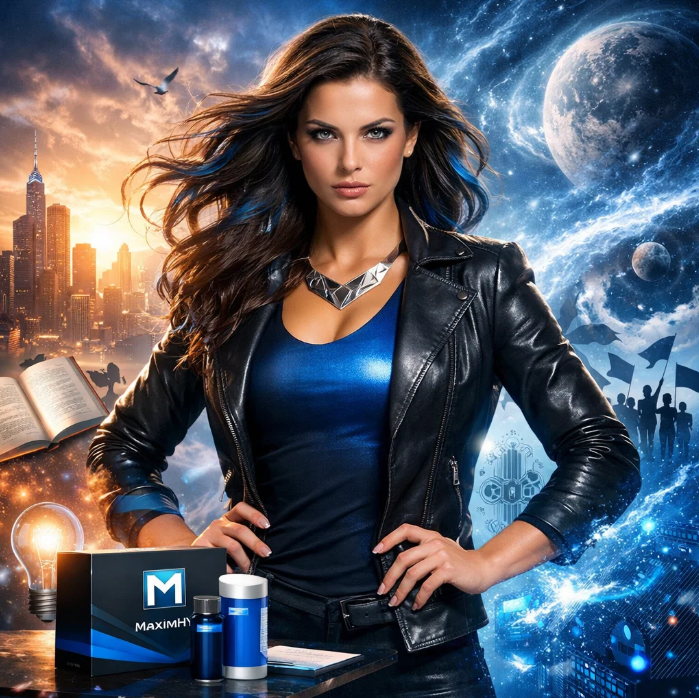
A fierce woman is a glorious female creature whose idea of beauty is rooted in the belief that she can change the world with each choice, each moment, and each breath of her life. The word beautiful encompasses all areas of mind, body, and soul. Beauty guides her actions, and her actions are grounded in morals and convictions shaped by a lifelong appreciation of learning.
And by learning, we don’t mean simply reading books or burying yourself in the depths of the internet searching for endless articles. No—learning is the creative ability to see beyond the surface, beyond what’s presented in the mainstream, and recognize the power you hold as the beholder. A fierce woman is not a bystander in her own life. She uses her wisdom, intuition, and imagination to create change—and to make choices that shape the world around her.
We’ve invested a lot of time in bringing you our product so you can have a choice—an alternative to what’s already on the market. Be fierce, and take it!